
If you’ve recently visited a local market or supermarket, you’ve probably noticed that the Mamador oil price in Nigeria keeps fluctuating.
I’ve spent time going to the market, comparing retail and wholesale trends across states, and the truth is simple, Mamador oil remains one of Nigeria’s most trusted cooking oils despite the rising cost of food items.
Let’s break down the current average market prices, sizes, and the key factors influencing these changes.
Cost of the Mamador Oil Product
The current average price of Mamador oil in Nigeria varies depending on the size, packaging, and region.
Generally, the price of Mamador oil ranges from ₦900 to ₦16,000, depending on whether you’re buying a small 500ml bottle or a large 5-litre keg.
Below is the detailed breakdown of the latest market rates across different sizes.
Mamador Oil Sizes and Prices in Nigeria (2025 Average Market Range)
| Mamador Oil Size | Current Average Price Range (₦) | Typical Usage |
| Mamador oil 500ml price | ₦900 – ₦1,400 | Suitable for single users or small households |
| Mamador oil 900ml price | ₦1,800 – ₦2,700 | Great for couples or light cooking |
| Mamador oil 1 litre price | ₦2,000 – ₦3,200 | Popular choice for daily cooking |
| Mamador oil 1.5 litre price | ₦3,200 – ₦4,500 | Medium-sized families |
| Mamador oil 2.5 litre price | ₦5,000 – ₦7,000 | Ideal for bulk users or light commercial use |
| Mamador oil 3.5 litre price | ₦7,500 – ₦10,500 | Common among large families |
| Mamador oil 5 litre price | ₦11,000 – ₦14,000 | Widely used by restaurants and caterers |
These values reflect the current average market trend observed in several major Nigerian cities including Lagos, Ibadan, Abuja, Kano, and Port Harcourt.
Prices may vary slightly depending on your location, packaging type, and the retailer’s markup.
Overview of the Market Situation
Nigeria’s cooking oil market has experienced steady price fluctuations due to inflation, logistics costs, and exchange rate changes.
Mamador oil, being a premium refined vegetable oil, often mirrors these national economic shifts.
While demand remains strong, the cost of production, transportation, and packaging continues to influence retail prices.
Despite these factors, Mamador oil has managed to maintain quality and customer trust, a major reason it’s a staple in most Nigerian homes.
Factors Influencing Mamador Oil Price in Nigeria
1. Exchange Rate and Import Costs
Mamador oil and its raw materials are partially influenced by global palm oil markets. When the naira weakens against the dollar, import-related expenses increase, which in turn affects the mamador oil price 3.5 litre in Nigeria and other sizes.
2. Transportation and Logistics
From factory to retail shelves, fuel costs play a massive role in pricing. The rising cost of petrol and diesel has caused upward adjustments in delivery and distribution expenses.
3. Packaging and Brand Quality
Mamador oil comes in premium, durable bottles and kegs that ensure freshness. The brand invests heavily in packaging, which contributes slightly to its current average price compared to local unbranded oils.
4. Market Demand and Supply
When festive periods approach or when there’s a shortage of raw materials, prices of edible oils rise. During off-peak seasons, prices tend to stabilize slightly.
5. Inflation and Purchasing Power
Nigeria’s general inflation rate directly impacts the cost of essentials, including cooking oil.
With reduced purchasing power, consumers often shift between smaller sizes like Mamador oil 900ml or Mamador oil 500ml, while larger sizes like Mamador oil 5 litre price in Nigeria remain popular for long-term use.
You might be interested in Okomu Oil Price List
Buying Tips for Consumers and Businesses
1. Buy in Bulk When Possible
If you cook frequently or run a restaurant, consider purchasing larger sizes like Mamador oil 5 litre or Mamador oil 3.5 litre. It’s more cost-effective in the long run.
2. Check Manufacturing and Expiry Dates
Mamador oil is known for quality, but always check the label for freshness. Avoid dusty or damaged containers to ensure safety and shelf life.
3. Store Properly
Keep your oil in a cool, dry place away from direct sunlight. Proper storage maintains taste, color, and nutritional value.
4. Compare Prices Across Markets
Even though the difference might seem small, urban and rural markets can differ by a few hundred naira. Always compare before bulk purchase.
5. Watch for Seasonal Discounts
Major holidays sometimes bring slight price reductions. Keep an eye on festive seasons for better deals on mamador oil sizes and prices.
FAQs About Mamador Oil Price in Nigeria
How much is Mamador oil 1 litre in Nigeria?
The mamador oil 1 litre price currently ranges between ₦2,000 and ₦3,200 depending on your location and the prevailing market rate.
How much is Mamador oil 1.5 litre in Nigeria?
The mamador oil price 1.5 litre in Nigeria sits around ₦3,200 – ₦4,500 as of recent market surveys. This size is commonly purchased by small to medium households.
How much is Mamador oil 3.5 litre in Nigeria?
The price of Mamador oil 3.5 litre typically falls between ₦7,500 and ₦10,500, making it one of the most cost-efficient options for large families.
What is the Mamador oil 5 litre price in Nigeria?
The mamador oil 5 litre price in Nigeria ranges from ₦11,000 to ₦14,000 in most local markets, depending on region and vendor.
What are the available Mamador oil sizes in Nigeria?
Mamador oil is available in 500ml, 900ml, 1 litre, 1.5 litre, 2.5 litre, 3.5 litre, and 5 litre variants.
Each caters to different usage needs, from household cooking to commercial purposes.
Read on Kings Oil Price in Nigeria
Understanding Mamador Oil: Why It Remains a Favorite
Mamador oil isn’t just a cooking oil, it’s a kitchen essential trusted for purity and versatility. Extracted from refined vegetable oil, it’s cholesterol-free and fortified with nutrients like Vitamin E.
Its mild aroma and non-greasy texture make it perfect for frying, baking, and even salad dressings.
Consumers often prefer Mamador for its consistency, taste, and health value. Whether you’re cooking for one or catering for a crowd, its performance remains reliable.
That’s one reason why the mamador oil price in Nigeria continues to command steady demand despite inflation.
Recent Market Trends (2025 Update)
Based on recent observations, cooking oil prices, including Mamador, have shown slight increases over the last quarter. Between September and October 2025, average prices rose by 5–8%.
Factors include rising transportation costs, currency fluctuations, and high global palm oil demand.
However, compared to other premium oil brands, Mamador’s pricing remains competitive.
Many consumers have noted that even with small increases, they prefer sticking to Mamador because of its stability and trusted quality.
Why Mamador Oil Prices Differ Across Nigeria
Price differences often come down to location, accessibility, and logistics. For example:
- Urban areas like Lagos and Abuja often experience slightly higher prices due to rent and distribution costs.
- Rural areas may offer lower prices but limited availability.
- Wholesale markets typically provide discounts on bulk purchases, especially for restaurants or caterers.
These regional differences explain why someone might ask, “How much is Mamador oil 3.5 litre in Nigeria?” and get slightly different answers depending on their city or market.
Mamador Oil PNG and Packaging Design
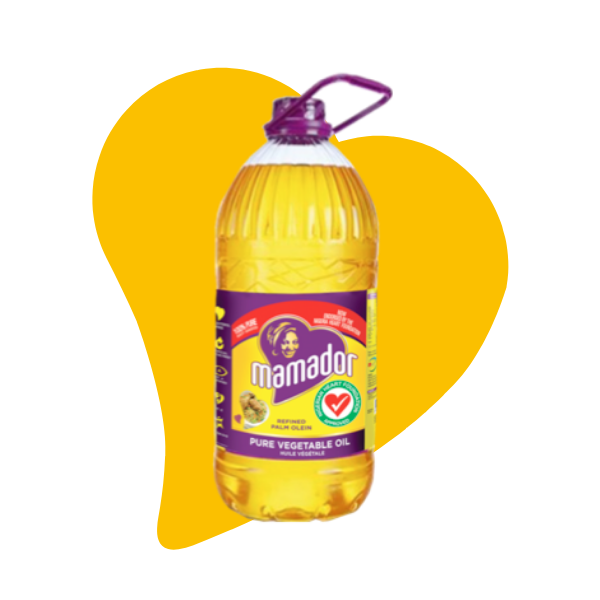
For marketing and product visibility, Mamador oil bottles and kegs come in bright yellow packaging, making them easily recognizable.
The Mamador oil PNG (image format used online) often highlights its logo and golden liquid appearance, symbolizing freshness, purity, and trust.
While packaging might not directly affect price, it reinforces the product’s premium brand identity, which supports its market value and consumer loyalty.
Health and Nutritional Benefits of Mamador Oil
Mamador oil is cholesterol-free, which makes it suitable for individuals monitoring their heart health. It’s also enriched with Vitamin E and antioxidants that promote skin and immune health.
These nutritional qualities are part of why Mamador oil Nigeria remains one of the country’s most recognized edible oil brands.
Its smooth texture also makes it a favorite for frying and stir-frying, offering a golden finish to meals without the heavy greasiness found in lower-quality alternatives.
Here is Canola Oil Price in Nigeria
Mamador Oil Price Outlook for 2026
If current economic trends persist, mamador oil prices may experience moderate fluctuations.
Analysts expect prices to stabilize in the first half of 2026 if foreign exchange rates and transportation costs improve.
However, should inflation rise, the cost of production and distribution may push prices slightly upward again.
Consumers are encouraged to monitor market trends regularly and buy strategically during stable periods to save costs.
Conclusion
Let’s face it, in today’s Nigeria, prices keep moving, but quality should never be compromised.
Mamador oil has stood the test of time because it delivers value, consistency, and trust.
Whether you’re buying the Mamador oil 1 litre, 3.5 litre, or 5 litre, what matters most is making a smart purchase that fits your budget and lifestyle.
If there’s one takeaway, it’s this:
“Buy quality once and buy peace every time.”
The market may change, but good choices never go out of style.
So next time you step into the market, you’ll know exactly what to expect, and how to make the most of your money.
Other Cooking Oil Prices in Nigeria You Should Check
If you’re comparing oil prices across brands and types, here are other updated price guides you might find helpful:
- Explore the Okomu Oil price list in Nigeria and discover the latest market rates for bulk and retail buyers.
- See the Kings Oil price in Nigeria to know how the popular cooking oil brand is priced in 2025-2026.
- Get current market updates on the Canola Oil price in Nigeria and its availability in major cities.
- Find the premium Olive Oil price in Nigeria for imported and local brands.
- Learn the average Sunflower Oil price in Nigeria and compare regional market differences.
- Check today’s Coconut Oil price in Nigeria and see trends in organic oil demand.
- See how the Groundnut Oil price in Nigeria compares to palm and sunflower oil this season.
- And finally, stay updated on the Palm Oil price in Nigeria, one of the most consumed oils nationwide.
Each oil price guide is regularly updated to reflect real market trends, giving you accurate insights before making your next purchase.