
Let’s be honest, the cost of palm oil in Nigeria has become one of the most discussed household topics today.
If you’re a trader, a homemaker, or a food manufacturer, I am sure you’ve probably noticed that the palm oil price in Nigeria has not been stable.
Prices have been rising, falling, and rising again, making people ask daily, “How much is palm oil in Nigeria today?”
After our recent market survey across major local markets, from Lagos to Kano, here’s a detailed breakdown of the current palm oil prices in Nigeria, what’s driving them, and how buyers can make smarter purchasing decisions in 2025-2026.
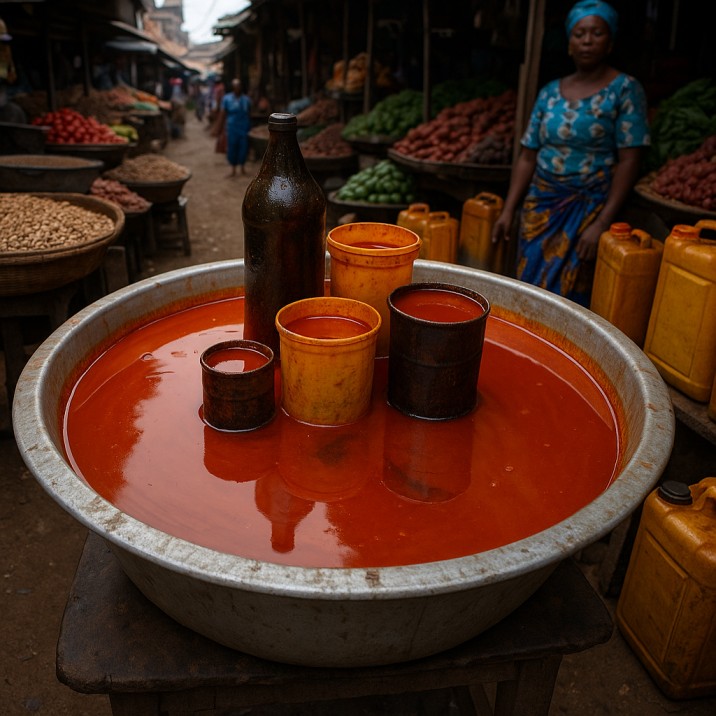
Cost of Palm Oil Product
The price of palm oil varies depending on size, packaging, quality, and market location.
The current average price of palm oil in Nigeria ranges between ₦2,000 and ₦5,500 per litre, while bulk quantities like the 25-litre jerrycan fall between ₦40,000 and ₦45,000, depending on freshness and purity.
If you need more options in this category, check Where to Buy Cooking Oil in Ilorin (2026) as well.
Below is a detailed price list showing the recent market trend for palm oil in different quantities:
Palm Oil Price List in Nigeria (2025-2026 Update)
| Quantity | Average Market Price Range (₦) | Description |
| 1 litre of palm oil | ₦2,000 – ₦5,500 | Retail purchase, varies by region and quality |
| 5 litres of palm oil | ₦10,000 – ₦24,000 | Common household size; prices higher in Lagos |
| 10 litres of palm oil | ₦20,000 – ₦35,000 | Suitable for small-scale business or family use |
| 25 litres of palm oil | ₦40,000 – ₦45,000 | Bulk purchase for traders or resellers |
| 1 gallon (20 litres) of palm oil | ₦35,000 – ₦42,000 | Often used by small restaurants and caterers |
Palm Oil Price in Lagos
Lagos, being Nigeria’s largest commercial hub, records some of the highest retail prices for palm oil.
The palm oil price in Lagos today ranges from ₦5,000 to ₦5,500 per litre, especially in urban areas like Ikeja, Yaba, and Surulere.
Another related page you may find useful is Cooking Oils in Nigeria and Their Prices (Updated Review).
High transportation costs, storage expenses, and demand from food businesses contribute to the upward pressure on prices in Lagos markets.
However, bulk buyers who source directly from wholesalers in Mile 12 or Oyingbo markets may get slightly lower rates.
Read on Groundnut Oil Price in Nigeria
Palm Oil Price in Kano Today
Kano remains a strong trading city in northern Nigeria, and palm oil is a key commodity there.
The palm oil price in Kano today ranges from ₦3,500 to ₦4,500 per litre.
Bulk quantities like the 25-litre jerrycan go for around ₦42,000 to ₦45,000 on average.
Prices in Kano tend to be influenced by transportation from southern producing states and by seasonal supply fluctuations.
When the road network between the South-South and the North experiences disruptions, prices often spike sharply.
Palm Oil Price Today in Nigeria (Nationwide Average)
The palm oil price today in Nigeria sits between ₦40,000 and ₦45,000 for 25 litres, depending on where you buy.
Rural areas often offer cheaper prices compared to city markets, where demand is high and transportation costs add up.
On average:
- 1 litre: ₦2,000 – ₦5,500
- 5 litres: ₦10,000 – ₦24,000
- 25 litres: ₦40,000 – ₦45,000
Prices may shift slightly week by week depending on local market supply, festive demand, and cost of palm fruit processing.
Overview of the Nigerian Palm Oil Market
Palm oil remains one of Nigeria’s most consumed and traded commodities.
From local cooking to industrial manufacturing, it’s a vital part of daily life.
Nigeria ranks among the top global producers of palm oil, yet local demand still outpaces supply, and that gap has pushed prices upward in the last few years.
Currently, the palm oil price in Nigeria reflects the cost of production, logistics, and global market influences.
Many producers in southern states like Edo, Ondo, and Cross River continue to face challenges like high processing costs and transportation expenses.
Meanwhile, in cities like Lagos and Kano, retailers are adjusting prices almost weekly to match fluctuating supply levels.
Read on Kings Oil Price in Nigeria
Factors Influencing Palm Oil Prices in Nigeria
1. Seasonal Harvest Cycles
Palm oil production in Nigeria follows agricultural seasons.
During the peak harvest months (around March to May), prices usually drop due to higher supply.
In off-seasons, prices rise sharply as stored oil becomes scarce.
2. Transportation and Fuel Costs
One of the biggest price drivers is logistics.
As fuel prices increase, transportation from producing areas to major cities like Lagos and Kano becomes more expensive, which directly affects retail prices.
3. Export Demand
Nigeria’s palm oil is not just for local consumption.
Exporters buying in bulk push up local prices, especially when global palm oil prices rise in markets like Malaysia and Indonesia.
4. Inflation and Exchange Rates
When the naira weakens, imported goods become more expensive, indirectly raising production costs.
Local traders then adjust palm oil prices to match overall inflation trends.
5. Processing and Packaging
Palm oil that’s well-refined and properly packaged often sells at a premium.
Consumers now prefer cleaner, well-filtered oil, and that quality difference is reflected in the pricing.
6. Market Demand During Festive Seasons
Demand for palm oil spikes during major festive seasons like Christmas, Easter, and Ramadan when food production increases, and that pushes prices upward.
Buying Tips for Consumers and Businesses
1. Buy in Bulk When Possible
If you use palm oil frequently, purchasing in larger quantities like 25 litres helps you save in the long run.
Bulk buying also shields you from weekly price fluctuations.
2. Watch Out for Adulteration
Some sellers mix palm oil with coloring or vegetable oil to increase profit.
Always check the color, smell, and consistency before buying.
Pure palm oil should have a natural reddish-golden hue and a thick texture.
3. Store Properly
Palm oil can go rancid if not stored properly.
Use clean plastic containers and store them in cool, dark areas away from sunlight.
Avoid using metal containers as they can affect the taste and quality.
4. Monitor Market Trends
Stay updated with palm oil price today in local markets.
Prices can shift quickly, especially during transportation disruptions or policy changes affecting fuel.
5. Build Reliable Supplier Relationships
For small businesses, forming long-term partnerships with trusted suppliers can help you secure steady prices and consistent quality.
You might be interested in Okomu Oil Price List
FAQs About Palm Oil Price in Nigeria
1. How much is palm oil in Nigeria today?
The average price of palm oil in Nigeria today is between ₦2,000 and ₦5,500 per litre, depending on the market and quality.
Bulk prices for 25 litres range between ₦40,000 and ₦45,000.
2. What is the price of 25 litres of palm oil in Nigeria?
The price of 25 litres of palm oil in Nigeria currently averages ₦40,000 – ₦45,000, though it can vary slightly by location and season.
3. What is the 5-litre palm oil price in Nigeria?
The 5-litre palm oil price in Nigeria ranges between ₦10,000 and ₦24,000, depending on freshness and market conditions.
4. Why is palm oil so expensive in Nigeria now?
Several factors, including transportation costs, seasonal supply, and increased demand during festive periods, have caused prices to rise.
Inflation and production challenges also contribute.
5. Where can I get the best deal on palm oil in Nigeria?
Local markets in producing regions usually offer the best deals. However, ensure you verify the purity and freshness before buying in bulk.
Conclusion
The cost of palm oil in Nigeria continues to reflect the broader economic climate, inflation, transportation costs, and changing demand patterns.
Yet, despite the fluctuations, palm oil remains a vital part of Nigerian households and businesses.
If you’re a buyer, be smart about timing.
Prices are usually lower during harvest seasons, and buying directly from producers can help you save.
If you’re an investor or wholesaler, keep an eye on market trends and government agricultural policies, they can determine your profit margins.
At the end of the day, palm oil isn’t just another commodity.
It’s part of Nigeria’s identity, a product that connects farmers, traders, and families across the nation.
So, when you see that 25-litre gallon sitting on the market shelf for ₦42,000, remember this: every drop carries the story of thousands of hands that make Nigeria’s economy move.
Prices may rise and fall, but smart buyers always stay informed. And in today’s economy, information is your best tool.
Other Cooking Oil Prices in Nigeria You Should Check
If you’re comparing oil prices across brands and types, here are other updated price guides you might find helpful:
- Explore the Okomu Oil price list in Nigeria and discover the latest market rates for bulk and retail buyers.
- See the Kings Oil price in Nigeria to know how the popular cooking oil brand is priced in 2025.
- Get current market updates on the Canola Oil price in Nigeria and its availability in major cities.
- Find the premium Olive Oil price in Nigeria for imported and local brands.
- Learn the average Sunflower Oil price in Nigeria and compare regional market differences.
- Check today’s Coconut Oil price in Nigeria and see trends in organic oil demand.
- See how the Groundnut Oil price in Nigeria compares to palm and sunflower oil this season.
- Find out the Mamador Oil price in Nigeria and see current packaging variations.
Each oil price guide is regularly updated to reflect real market trends, giving you accurate insights before making your next purchase.
Thank you for the information. Could you please date your write-up for better reference for we readers.