
If you’ve ever walked into a supermarket or open market lately, you’ve probably noticed that the olive oil price in Nigeria has been anything but stable.
Prices fluctuate, bottles get smaller, and the cost keeps rising.
After checking several markets across Lagos, Abuja, and Port Harcourt, here’s the real breakdown of how much olive oil costs in Nigeria today.
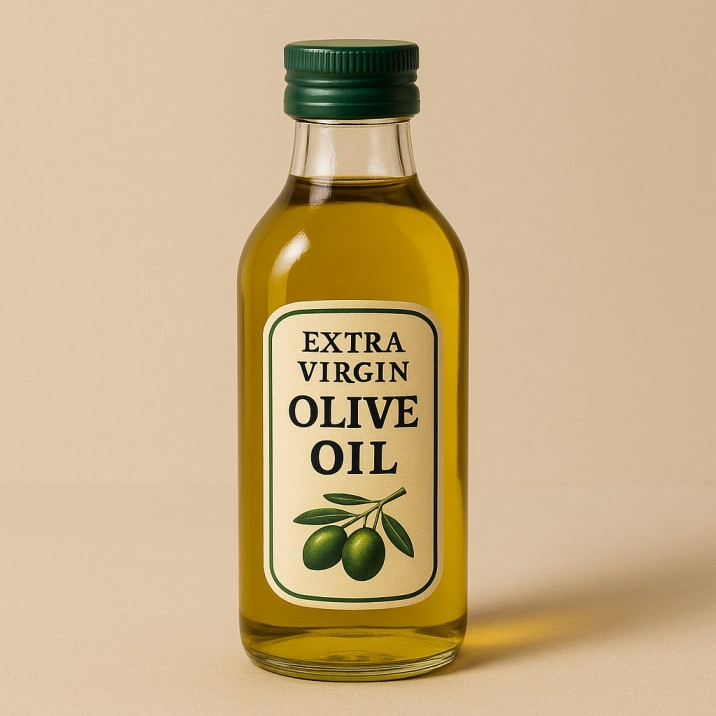
Cost of Olive Oil in Nigeria
The current average price of olive oil in Nigeria ranges between ₦3,500 and ₦25,000, depending on the brand, size, and purity level.
Actually, extra virgin olive oil costs more due to its higher quality and extraction process. Below is the detailed price list reflecting the typical market rate across Nigerian cities.
Current Olive Oil Price List in Nigeria (2025-2026)
| Olive Oil Type | Size | Average Price Range (₦) |
| Extra Virgin Olive Oil | 250ml | ₦3,500 – ₦5,000 |
| Extra Virgin Olive Oil | 500ml | ₦6,500 – ₦8,500 |
| Extra Virgin Olive Oil | 1 Litre | ₦11,000 – ₦14,000 |
| Pure Olive Oil | 500ml | ₦5,000 – ₦7,000 |
| Pure Olive Oil | 1 Litre | ₦9,000 – ₦12,000 |
| Pomace Olive Oil | 1 Litre | ₦8,000 – ₦10,000 |
| Pomace Olive Oil | 2 Litres | ₦14,000 – ₦17,000 |
| Olive Oil for Hair/Skin (Cosmetic Grade) | 250ml | ₦2,500 – ₦4,000 |
| Bulk Olive Oil (5 Litres – Cooking Grade) | 5 Litres | ₦22,000 – ₦25,000 |
These figures represent recent market trends based on observations from multiple retail environments and general consumer pricing as of 2025.
Prices may vary slightly depending on packaging, product origin (Spain, Italy, or Greece), and availability.
Overview of the Olive Oil Market in Nigeria
Olive oil has grown from being a luxury import to a staple in many Nigerian kitchens, skincare routines, and wellness practices.
However, the market has faced steady price changes due to currency fluctuations, import tariffs, and global shipping costs.
Nigerians are now more conscious about product quality and authenticity, making extra virgin olive oil especially sought after.
With local demand increasing and supply often affected by import costs, prices continue to reflect these economic realities.
Read on Kings Oil Price in Nigeria
Factors Influencing Olive Oil Prices in Nigeria
The cost of olive oil in Nigeria is affected by several key factors. Understanding these can help consumers and resellers make better purchase decisions.
1. Exchange Rate and Import Duties
Olive oil is not locally produced in large quantities. Most of it is imported, meaning the naira-dollar exchange rate directly impacts the price of olive oil. When the naira weakens, importers face higher costs, which trickle down to the retail shelves.
2. Product Type and Purity Level
Extra virgin olive oil costs more because it’s made from the first cold press of fresh olives. It’s unrefined and rich in antioxidants. Pomace or pure olive oil, on the other hand, goes through additional refining and blending, making it cheaper but less nutrient-dense.
3. Packaging and Brand Reputation
Premium brands with glass bottles and imported seals often sell at a higher price than bulk-packaged alternatives. Nigerians who prioritize quality and authenticity are usually willing to pay more for trusted packaging.
4. Transportation and Distribution Costs
Fuel prices and logistics affect almost every commodity in Nigeria. When transportation costs increase, so does the retail price of olive oil, especially in regions farther from major import hubs.
5. Market Demand and Seasonal Trends
Demand spikes during festive periods and health awareness campaigns. People often stock up on olive oil during these times, which can slightly push up average market rates.
Buying Tips for Consumers and Businesses
If you’re buying olive oil for home use, skincare, or even resale, here are some smart ways to get value for your money.
1. Check for Authenticity
Always inspect the seal and labeling. Genuine olive oil has a natural, grassy aroma and may solidify slightly in cold temperatures. Avoid products that look overly clear or have no expiry date.
2. Buy in Bulk When Possible
If you use olive oil regularly, purchasing larger sizes (like 3L or 5L) can help you save significantly per litre. This is especially true for restaurants, caterers, and skincare businesses.
3. Store Properly
Keep olive oil away from direct sunlight and heat. Exposure can degrade its quality and shorten its shelf life.
4. Compare Packaging Sizes Before Buying
Sometimes smaller bottles appear cheaper but cost more per millilitre. Always calculate the cost per litre to know the real value.
5. Don’t Be Deceived by Labels
Some cheaper oils are labeled as “extra light” or “pure” but may be refined blends with lower nutritional value. When in doubt, choose extra virgin for purity and health benefits.
Frequently Asked Questions (FAQs)
How much is olive oil in Nigeria right now?
Right now, the current average price of olive oil in Nigeria ranges between ₦3,500 and ₦25,000, depending on size, type, and brand.
Extra virgin olive oil is usually the most expensive option due to its superior quality.
What is the cost of extra virgin olive oil in Nigeria?
The cost of extra virgin olive oil typically ranges from ₦3,500 to ₦14,000, depending on bottle size. A 250ml bottle sells for around ₦3,500 – ₦5,000, while a 1-litre bottle costs between ₦11,000 and ₦14,000.
Why is olive oil so expensive in Nigeria?
Olive oil prices are high because it’s imported and affected by foreign exchange rates, import duties, and transportation costs. Quality olive oil also undergoes careful processing, which adds to its cost.
Which olive oil is best for cooking and skincare?
For cooking, pure olive oil or pomace olive oil offers a good balance between price and usability. For skincare, extra virgin olive oil or cosmetic-grade olive oil works best due to its higher nutrient and antioxidant content.
Can I buy olive oil in bulk for business or resale?
Yes, many wholesalers offer 5-litre or 10-litre bulk options ranging between ₦22,000 and ₦25,000. Buying in bulk helps businesses save money, especially for restaurants and skincare brands.
Conclusion
Olive oil remains one of the most versatile and health-friendly oils you can find in Nigerian markets today. Whether for cooking, skincare, or resale, understanding the olive oil price in Nigeria helps you make smarter financial decisions.
Remember this: “Price is what you pay, but value is what you keep.” Always go for quality, because the real cost isn’t just in naira it’s in what your health and business gain from using genuine products.
As market conditions continue to shift, staying informed about current olive oil prices can help you budget wisely, buy smarter, and get the most from every bottle you choose.
Other Cooking Oil Prices in Nigeria You Should Check
If you’re comparing oil prices across brands and types, here are other updated price guides you might find helpful:
- Explore the Okomu Oil price list in Nigeria and discover the latest market rates for bulk and retail buyers.
- See the Kings Oil price in Nigeria to know how the popular cooking oil brand is priced in 2025-2026.
- Get current market updates on the Canola Oil price in Nigeria and its availability in major cities.
- Learn the average Sunflower Oil price in Nigeria and compare regional market differences.
- Check today’s Coconut Oil price in Nigeria and see trends in organic oil demand.
- See how the Groundnut Oil price in Nigeria compares to palm and sunflower oil this season.
- Find out the Mamador Oil price in Nigeria and see current packaging variations.
- And finally, stay updated on the Palm Oil price in Nigeria, one of the most consumed oils nationwide.
Each oil price guide is regularly updated to reflect real market trends, giving you accurate insights before making your next purchase.